
|
| There are approximately
120 licensed certified shellfish dealers in the state of Florida. These
dealers are regulated so that the consuming public is assured a safe, wholesome
food supply. The processing plant inspection section has the responsibility
to help establish and enforce regulations relating to the sanitary
practices for handling, relaying, depuration, storing, packing or preserving
of shellfish products intended for human consumption. |
 |
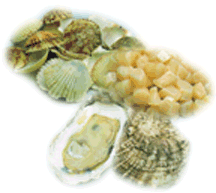 |
Shellfish are defined
as all edible species of oysters, clams and mussels whether shucked or
in the shell, fresh or fresh frozen. Shellfish are a unique human food
source in respect that they are often consumed whole, including the gastrointestinal
tract, and they are commonly eaten raw. They are filter feeders capable
of concentrating pathogenic bacteria, viruses and contaminants like heavy
metals during their normal feeding. |
 |
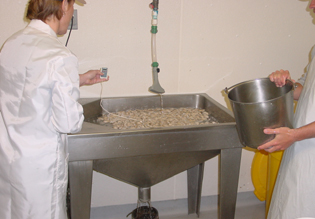
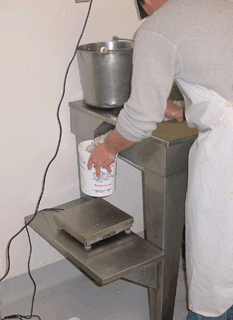
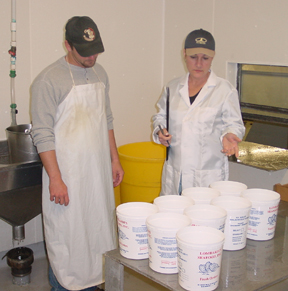
| The processing plant
section routinely inspect and regulate the activities taking place in the
certified shellfish dealer plants. The section must make sure that the
plant has: an acceptable water supply; an acceptable plumbing system; an
adequate sewage and liquid disposal system; physical structures that have
structural integrity and will not allow vermin to have access to food operations;
construction materials used, and installation of those materials in such
a way that the surfaces are smooth, nonabsorbent and cleanable; adequate
equipment and utensils made of safe and durable materials, designed and
constructed so that they are smooth and easy to clean; cleaning facilities
to be able to keep the equipment clean and keep the overall plant clean;
storage areas so food products and food contact surfaces of containers
can be held protected; adequate ventilation to prevent contamination of
food or food contact surfaces from condensation; adequate garbage and refuse
disposal; an acceptable premises to prevent pooling of water, creation
of a dust problem or high vegetation which may lead to a vermin problem.
|
 |
 |
The Department must
make sure that the plant is only accepting shellfish that have been legally
harvested from an approved area. The shellfish must be properly tagged
and can not be abused during transport. The Department inspects to ensure
that the shellfish are being handled and stored properly at the plant so
that they will not become contaminated or adulterated. The shellfish must
be stored at 45 F or below except during necessary periods of processing.
In plants that shuck shellfish, the Department must make sure that the
shucked product is out of refrigeration for the shortest amount of time
possible.
|
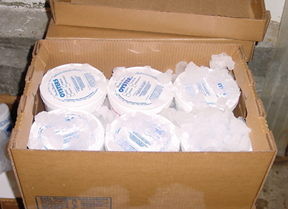
| The Department inspects
products for accurate labeling to make sure that the information on the
product is true to prevent consumer fraud and/or to give our regulatory
agency the opportunity to recall contaminated product in foodborne outbreaks.
The Department also must make sure the plant is keeping accurate records
of all the product they sell and who they sell the product to. The Department
has the authority to inspect the records of the plant any time the plant
is in operation. The specialist has authority to inspect a plant whenever
someone is there working. |
 |
|

